-
Our climate action goals are focused on the reduction of greenhouse emissions and the increase of renewable energy use.
Reduce combined scope 1 and scope 2 greenhouse gas emissions by 50% versus 2014 baseline by 2025
Reduce energy consumption by 30% at Kohl’s facilities versus a 2008 baseline by 2025
Expand renewable energy platforms by building off of the company’s existing solar locations
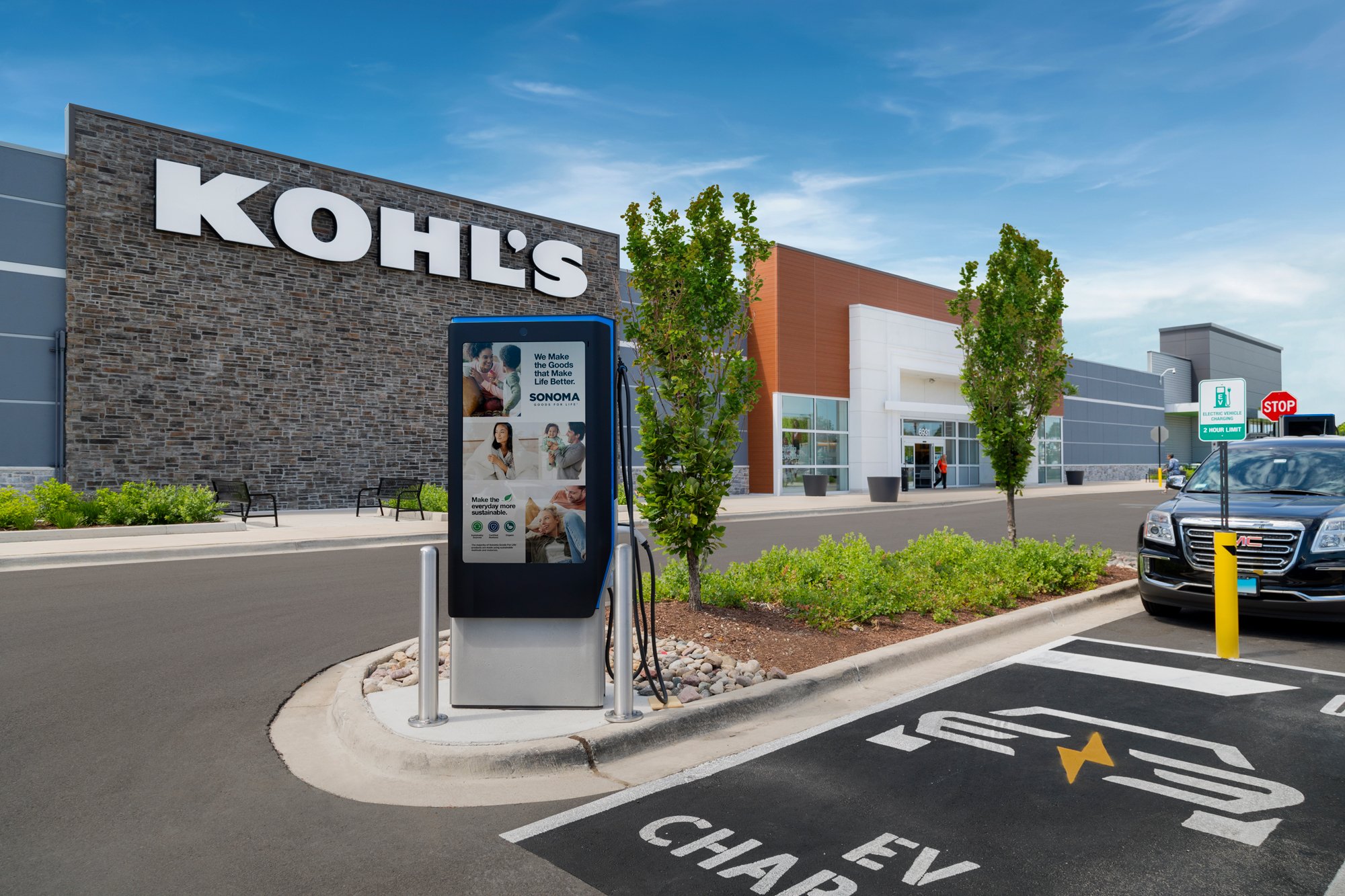
Support the transition to a low-carbon transportation system, building off of the company’s existing locations offering electric vehicle (EV) charging
-
Our waste and recycling goals are focused on the management of all wastes, reducing waste generation and promoting relevant recycling information to customers.
Divert 85% of Kohl’s U.S. operational waste from landfills annually
Label 100% of Kohl’s-owned branded packaging with the How2Recycle label by 2025
Reduce the amount of plastic and cardboard in Kohl’s-owned branded packaging
-
Our responsible sourcing goals for only-at-Kohl’s brand products are focused on the efficient use of natural resources and environmentally sound management of chemicals. Business partners must live up to our social compliance standards, share our convictions, and operate according to our universally applied standards regarding ethics, fair business practices, and workplace safety. Learn more about how Kohl’s works with suppliers on responsible sourcing.
Require all approved facilities producing only-at-Kohl’s brand products to complete the Higg Index Environmental Module by 2025
Utilizing the Higg Index, drive substantial reduction in water use in the production of Kohl’s-owned branded products by 2025
Emphasize the elimination and reduction of certain chemicals and strive for zero discharge of hazardous chemicals in tier 1 suppliers for select only-at-Kohl’s branded product in scope (textile, apparel, leather and footwear)
Achieve 100% responsibly sourced cotton for only-at-Kohl’s brands by 2025
Require 50% of polyester styles to contain recycled materials in only-at-Kohl’s brands by 2025
-
Energy management & clean energy
Water & effluents
Waste management
Emissions reporting
Biodiversity
-
Data security
Economic performance
Indirect economic impacts
Procurement practices: local sourcing
Product quality & safety
Customer privacy
Employee engagement & inclusion
Labor practices
Workplace safety, health & well-being
Workforce training & education
-
Product sourcing, packaging & marketing
Materials sourcing & efficiency
Supply chain management
Product design & lifecycle management
-
Policy
Anti-corruption
Tax
Disaster preparedness & business continuity
Climate-related financial risk